

If you’re running a small business and researching payment providers, it’s easy to assume switching is always the right move. Better rates, better tech, better support. But in reality, that isn’t always true.
After years of speaking to business owners at every stage, one thing becomes clear very quickly: timing matters as much as the payment solution itself.
This article explains when switching makes sense, when it doesn’t, and why staying put can sometimes be the smartest decision.
Do all small businesses need to switch payment providers?
No. And this is where many conversations go wrong.
Very small or early-stage businesses often use simple tools like SumUp for card payments. For where they are in their journey, that choice is often the right one. It’s quick to set up, easy to use, and doesn’t add unnecessary complexity.
Trying to move those businesses too early can create friction without delivering real value.
Why simple payment setups can be the right choice early on
When a business is still finding its feet, priorities are different. Owners are focused on:
getting customers through the door
testing demand
managing cash day to day
keeping operations simple
At this stage, a straightforward card payment setup often works perfectly well. The goal isn’t optimisation, it’s stability.
When does switching payment providers actually make sense?
The conversation changes when the business evolves.
Switching becomes relevant when:
transaction volumes increase
operational complexity grows
reliability becomes critical during busy periods
cashflow timing matters more
the current setup starts limiting how the business operates
This is usually six months to a year down the line, once the business has settled into a rhythm.
Why honesty matters in these conversations
Sometimes the most honest advice isn’t “switch now”, it’s “carry on for the moment”.
If a business has chosen a solution that fits their current stage, forcing change doesn’t help anyone. Long-term relationships are built by giving advice that matches reality, not by pushing unnecessary decisions.
That’s why some conversations end with a simple outcome: let’s revisit this later.
How business stage affects payment decisions
Small business payment solutions are not one-size-fits-all. What works for a start-up won’t necessarily work for a growing operation, and what suits a growing business may be unnecessary early on.
Understanding where you are in your business cycle makes every decision clearer, including payments.
Final thought
Not every business needs to switch straight away. Sometimes the right move is to stay where you are, grow, and revisit the decision when the business is ready.
The best payment solution is the one that fits your stage, not the one that looks best on paper.








Start Where You Are. Scale With Us.
Small & Medium Businesses
Cafes, salons, retailers, venues, service-based businesses

Enterprise
National chains, multi-site retailers, payment resellers, corporate partnerships

Built on the UK's Most Trusted Payments Infrastructure
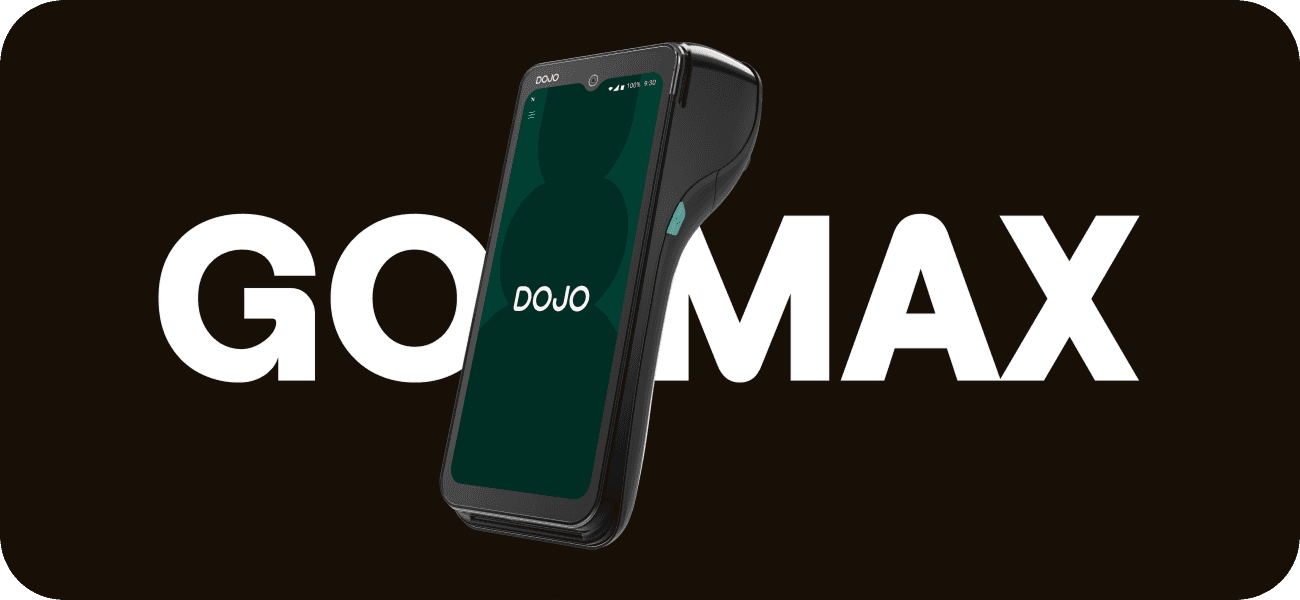
1 in 8 UK high street transactions happen on a Dojo device. We’re proud to be one of their most trusted partners.
Unmatched Reliability
99.99% uptime, multi-cloud resilience, zero outages.
Faster Payments
Next-day payouts, even on bank holidays
Simple Setup
Remote onboarding, 4G fallback, no PCI headaches.
Award-winning Support
14-second average wait time to reach a real human.
“The tech is light-years ahead of what we used before, and the service is unreal.”
Chris O'Reilly
Mace Retailer
Request a Callback
info@omnigo.tech
0808 284 9096
Nicholas Gould